Running Watch: The Ultimate Guide to Choosing a Powerful Fitness Companion in 2025
Understanding the Role of Wearable Technology in Modern Running
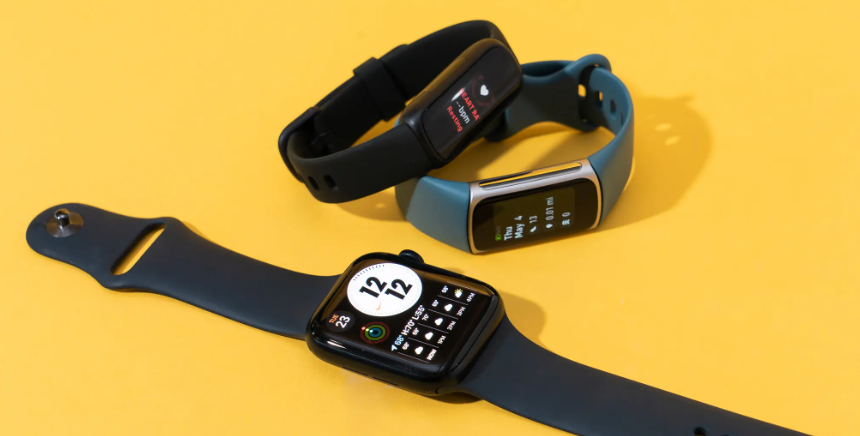
Wearable technology has completely reshaped how people approach fitness and endurance sports. Runners today no longer rely solely on instinct or manual timing. Instead, data-driven insights guide training sessions, recovery periods, and performance goals. This shift has made smart wearables an essential part of an athlete’s routine, regardless of experience level.
Evolution of Sports Wearables
Early fitness devices were limited to basic stopwatch functions and step counting. Over time, advancements in satellite positioning, biometric sensors, and wireless connectivity transformed these devices into compact performance labs. Today’s wearables provide real-time feedback that once required professional sports facilities.
Why Runners Depend on Smart Tracking Tools
Modern runners value accuracy, consistency, and feedback. Tracking distance, pace, heart rate, and elevation helps runners understand strengths and weaknesses. These insights allow for smarter planning, reduced injury risk, and steady improvement over time.
What Makes a Watch Ideal for Runners
Not all fitness running watch are designed with runners in mind. Certain features are especially important for those who log miles regularly and want dependable performance metrics.
GPS Accuracy and Route Mapping
Accurate GPS tracking ensures that distance and pace data are reliable. High-quality GPS systems connect quickly and maintain signal even in challenging environments such as urban areas or wooded trails. Route mapping also allows runners to review past runs and analyze terrain difficulty.
See also: Transform Your Space: Creative Interior Design Ideas for Every Room
Heart Rate and Performance Metrics
Continuous heart rate monitoring gives insight into effort levels and cardiovascular health. This data helps runners stay within optimal training zones and avoid overexertion.
VO2 Max and Training Load
Advanced models estimate VO2 max, a key indicator of aerobic fitness. Training load metrics show how hard the body is working over time, helping runners balance intensity and rest.
Recovery Time Insights
Recovery recommendations are crucial for preventing burnout. By analyzing recent workouts, wearables can suggest rest periods before the next intense session.
Key Features to Look for Before Buying
Choosing the right device requires understanding which features align with your running goals.
Battery Life and Charging Cycles
Long battery life is essential, especially for marathon training or trail runs. Some models last several days, while others can support ultra-distance events with power-saving modes.
Display Quality and Durability
Clear visibility in bright sunlight and low-light conditions makes a big difference. Scratch-resistant glass and sturdy casing protect the device during tough workouts.
Water Resistance Ratings
Sweat and rain are unavoidable. A good device should handle moisture easily, with water resistance suitable for heavy rain or even swimming.
Benefits for Beginners and Professional Runners
Wearable technology supports runners at every stage of their journey.
Motivation and Goal Tracking
Setting daily, weekly, or monthly goals keeps runners motivated. Visual progress indicators and achievement badges provide a psychological boost that encourages consistency.
Injury Prevention and Training Balance
By monitoring workload and recovery, runners can avoid common overuse injuries. Balanced training plans reduce strain on joints and muscles, supporting long-term health.
Smart Connectivity and App Integration
Modern devices are designed to work seamlessly with smartphones and fitness platforms.
Syncing With Fitness Platforms
Data synchronization allows runners to analyze trends over time. Popular platforms offer detailed graphs, coaching tips, and community challenges. For trusted fitness insights, you can explore resources like https://www.runnersworld.com, which provides expert guidance and training advice.
Notifications and Music Control
Smart notifications ensure runners stay connected without pulling out their phones. Music controls and offline playlists add convenience during long runs.
How to Choose the Right Model for Your Needs
Selecting the best option depends on personal goals, budget, and running style.
Budget vs Premium Options
Entry-level models cover essential tracking needs, while premium versions include advanced analytics, navigation, and materials. Both can be effective when chosen wisely.
Daily Training vs Competitive Racing
Casual runners may prioritize comfort and simplicity, while competitive athletes often need precise metrics and customizable training tools.
Maintenance, Updates, and Longevity
Proper care ensures reliable performance over time.
Software Updates and Accuracy
Regular firmware updates improve accuracy and add new features. Keeping software up to date ensures the best experience.
Proper Care for Long-Term Use
Cleaning after workouts, avoiding extreme temperatures, and charging correctly can significantly extend device lifespan.
Frequently Asked Questions (FAQs)
1. Is a running watch suitable for beginners?
Yes, beginners benefit greatly from structured tracking, pace guidance, and motivational features.
2. Can it be used without a smartphone?
Most models work independently and sync data later when connected to a phone.
3. How accurate is GPS tracking?
Accuracy is generally high, especially in open areas, and continues to improve with technology.
4. Does it help with weight loss goals?
Yes, calorie tracking and activity monitoring support healthy weight management.
5. How often should it be charged?
Charging frequency depends on usage, GPS time, and battery capacity.
6. Are updates necessary?
Updates enhance performance, fix bugs, and add features, so they are highly recommended.
Conclusion
A running watch is more than just a timekeeping device—it’s a powerful training partner that supports progress, safety, and motivation. By understanding features, benefits, and personal needs, runners can choose a device that enhances every mile. Whether you’re starting your first jog or preparing for competitive events, the right wearable can make every run smarter and more enjoyable.